

Planning a corporate retreat can be a fun adventure, though it often turns out to be more challenging than expected! You kick things off with great enthusiasm, opening a browser and a spreadsheet, and before you know it, you’re diving into venue reviews. It’s all part of the journey! Plus, consider the excitement of coordinating schedules and gathering input from your team. They’re bound to come around and join the fun! Let’s embrace the process together!
Louisville, Kentucky, has emerged as one of America’s premier corporate retreat destinations, and once you understand what the city actually offers—not just the bourbon (though yes, absolutely the bourbon)—the case for it becomes hard to argue against. Direct flights from 50+ cities. James Beard-nominated chefs. A walkable, historic neighborhood that feels nothing like a convention-hotel corridor.
This guide walks you through exactly how to plan a corporate retreat in Louisville that your team will talk about long after the last bourbon tasting notes have been written on a whiteboard and photographed.
In this article, you’ll learn:
-
Define corporate retreat objectives before you book anything
-
Budget ranges for corporate retreats ($1,000–$3,000 per person)
-
Why Louisville works as a corporate retreat location
-
A corporate retreat planning timeline that starts 6–12 months out
-
Bourbon Trail corporate retreat activities
-
How to pick the best corporate retreat venues
-
Common corporate retreat mistakes
-
How to measure success
What is a Corporate Retreat?
A corporate retreat is a deliberate offsite gathering—a scheduled break from the day-to-day grind that gives your team mental room to think bigger, connect more genuinely, and work through the problems that never quite make it onto a regular meeting agenda. When done right, retreats create the kind of environment where a junior team member says something in an afternoon workshop that reshapes your entire Q4 strategy.
The best corporate retreats pull double or triple duty: strategic planning alongside team building, or professional development baked into social activities that don’t feel forced. The goal is to come back with something—a decision made, a relationship strengthened, a problem solved—rather than a bag of branded swag and a vague sense of goodwill.
Why Louisville Stands Out Among Corporate Retreat Locations
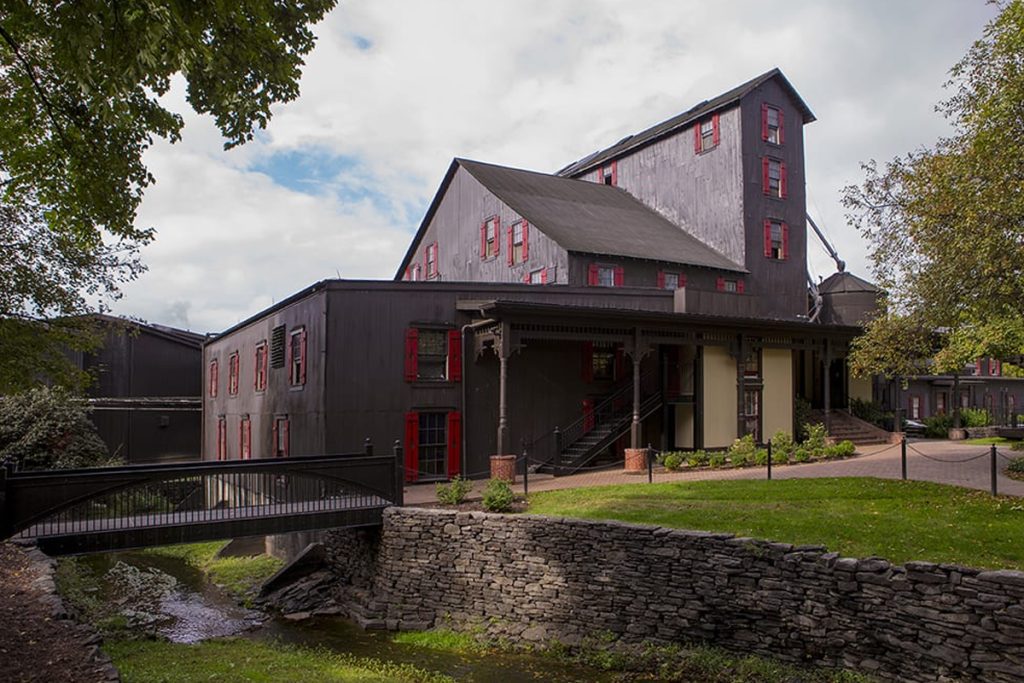
Geographic Accessibility: Louisville Muhammad Ali International Airport offers direct flights to 50+ major U.S. cities. Driving-distance-wise, Cincinnati, Indianapolis, Nashville, and St. Louis are all within a 3–4 hour range—meaning a meaningful portion of your team can skip the flight entirely.
Unique Cultural Experiences: Louisville sits at the heart of the Kentucky Bourbon Trail®, which makes it the only city in the country where “we’ll tour a distillery” is a completely normal agenda item for a Tuesday afternoon. The New York Times named Louisville one of its ’52 Places to Travel.’ Travel + Leisure put it on their “Best Food Cities” list. These aren’t flukes—the city genuinely delivers.
Cost-Effectiveness: Compared to coastal retreat destinations, Louisville lets your budget breathe. The money you save on accommodation can go straight into the experiences that your team will actually remember.
Step 1: Define Clear Objectives
The single most common failure point in corporate retreat planning? Starting with “where” before you’ve answered “why.” You book a venue, then reverse-engineer a purpose around it—and the retreat ends up feeling like a long weekend with some awkward trust falls in the middle.
Before anything else gets booked, work through three questions:
• What specific problem are we trying to solve or move forward on?
• What would we need to walk away with for this to count as a success?
• Who actually needs to be in the room for that to happen?
It helps to name the objective at the start, whether that is strategic planning, strengthening the team, aligning departments, developing skills, working through a challenge, or recognizing your people. The most effective retreats focus on one to three priorities and avoid trying to tackle everything at once.
Bring Your Team Together In Style
Create Unforgettable Team Bonding In Louisville’s Best Properties
Step 2: Set a Realistic Budget
A reasonable baseline for multi-day $1,000–$3,000 per person for multi-day corporate retreats. The final number depends heavily on how far you are flying, the type of accommodation you’re booking, and whether your activities include a private barrel selection at a distillery or a conference room and a catered lunch.
Your budget will need to cover:
• Accommodations: A property where everyone sleeps and meets under one roof—saves money and headaches
• Transportation: Flights, shared vans for distillery runs, ground transport
• Food & Beverage: Dinners, tastings, working lunch, coffee, snacks
• Activities: Tour fees, facilitators, tickets
• Equipment: AV gear, mics, printed materials
Louisville is easier on the budget than most major cities. You are not dealing with West Coast hotel rates or big-city restaurant prices. That flexibility lets you spend on experiences that actually stand out, like a bourbon blending session, instead of putting most of the budget toward basic lodging and meals.
Step 3: Choose the Right Venue
The right retreat venue sets the tone for everything that follows. It should make it easy for conversations to carry on after the sessions end, over dinner, in comfortable shared spaces, or during early morning coffee. When the setting feels inviting and intentional, connection happens more naturally and the team leaves stronger than they arrived.
Look for venues that offer:
• Spaces that shift easily from full-group sessions to smaller breakouts
• Private bedrooms instead of long hotel hallways so that people can relax at the end of the day
• Enough room for side conversations and quiet one-on-one discussions
• Strong, dependable WiFi and solid presentation setup
• Close access to the local experiences that make the retreat feel distinct
The Swepson Guesthouse: Louisville’s Premier Venue for Groups
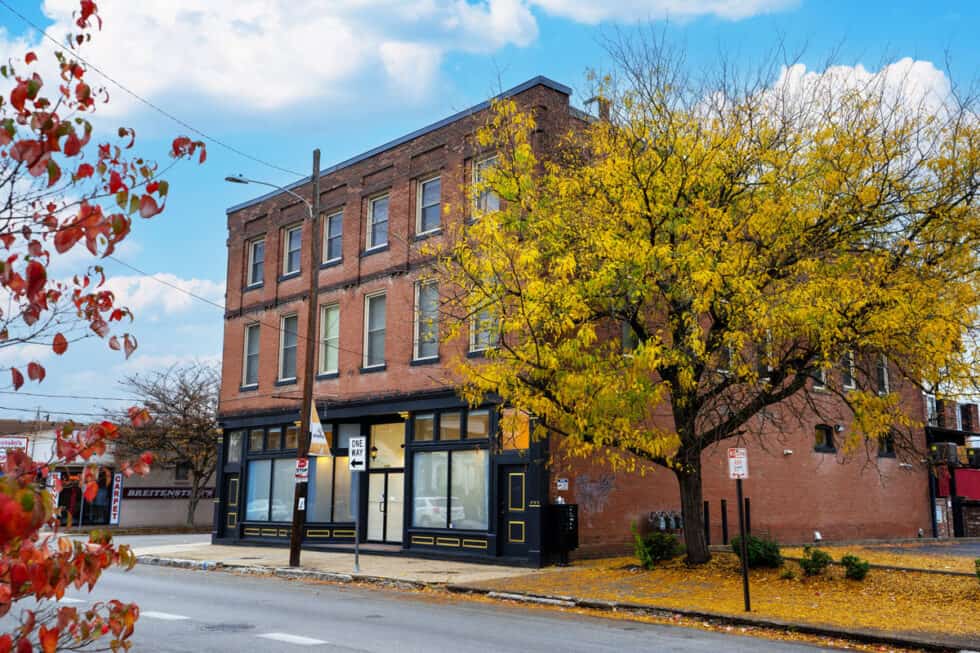
Built in 1909 and restored to within an inch of its architectural life, The Swepson Guesthouse accommodates up to 42 guests across 15 bedrooms, 6 living areas, 10 bathrooms, and three spacious decks. The outdoor footprint alone exceeds 5,000 square feet—meaningful in a city where the weather turns beautiful in fall and spring. It’s located in Germantown, one of Louisville’s most walkable neighborhoods, a short drive from bourbon distilleries, Churchill Downs, and Restaurant Row.
“The details and the extra mile from Super Stays made our weekend a success! I would rent it again in a heartbeat. The customer service was amazing; they saw to anything we needed promptly. The venue was so pretty it needed very little to decorate for a dinner party!”, Crystal Settle, Riley Livestock, Inc.
Step 4: Time Your Retreat Strategically
Begin your planning 6 to 12 months ahead! This timeframe isn’t just sensible—it empowers you to secure your desired venue before it’s booked, gives your team ample time to arrange childcare and personal commitments, and helps you dodge those higher prices that come with last-minute bookings. Let’s make your event amazing!
When picking dates, work through:
- Avoid scheduling during critical deadlines and peak times that can overwhelm your team’s mental capacity.
- Ensure that all necessary participants can attend the meeting or event.
- Conduct a brief survey of the team to identify any significant conflicts before finalizing plans.
- Consider childcare and personal logistics, especially for events that last multiple days.
Best Times in Louisville: Fall (September through November) offers ideal weather, autumn foliage, and lower peak-season costs. Spring (April through May) has Derby energy baked in. Winter means cozy bourbon tastings at the lowest rates of the year. The one time to plan around: Kentucky Derby week, the first Saturday of May—book 12+ months ahead if you want any of the city during that stretch.
Step 5: Design Your Agenda
A retreat agenda works well with a simple 60-30-10 balance. Dedicate about 60 percent of the schedule to focused work, 30 percent to team time, and leave 10 percent open. That open window often leads to the most useful conversations, the kind that do not happen when every minute is planned.
A Sample Day: Strategic Planning + Bourbon Trail

Morning: Pastries and coffee at the guesthouse, a welcome check-in, then a focused strategy workshop with your facilitator. Aim to run hard before lunch while energy is fresh.
Afternoon: Group lunch at a local restaurant (five minutes from the property), then department breakouts. Build in a break around 3 p.m.—the sessions that happen while walking around the courtyard are often better than the ones happening at a table.
Evening: Private bourbon distillery tour arranged through Super Stays, followed by dinner at a Louisville restaurant your team won’t find a replica of anywhere else. This is not a mandatory fun situation. Louisville evenings genuinely deliver.
Step 6: Plan Activities That Earn Their Place
Louisville’s bourbon heritage opens up a category of corporate retreat activities that don’t exist at generic conference resorts. The best ones work precisely because they’re collaborative without being forced—nobody needs to be convinced to participate in a private barrel tasting.
Bourbon-Focused Team Building
• Private Kentucky Bourbon Trail tours at Buffalo Trace, Woodford Reserve, Angel’s Envy, and others—access curated by local connections
• Barrel selection experiences where your team picks the grains, mashbill, and entry proof for a company-branded barrel
• Bourbon blending workshops that teach flavor profiles while getting people talking across departmental lines
• Mixology classes with Louisville bartenders who actually know what they’re doing
Louisville’s Other Experiences Worth Building Around
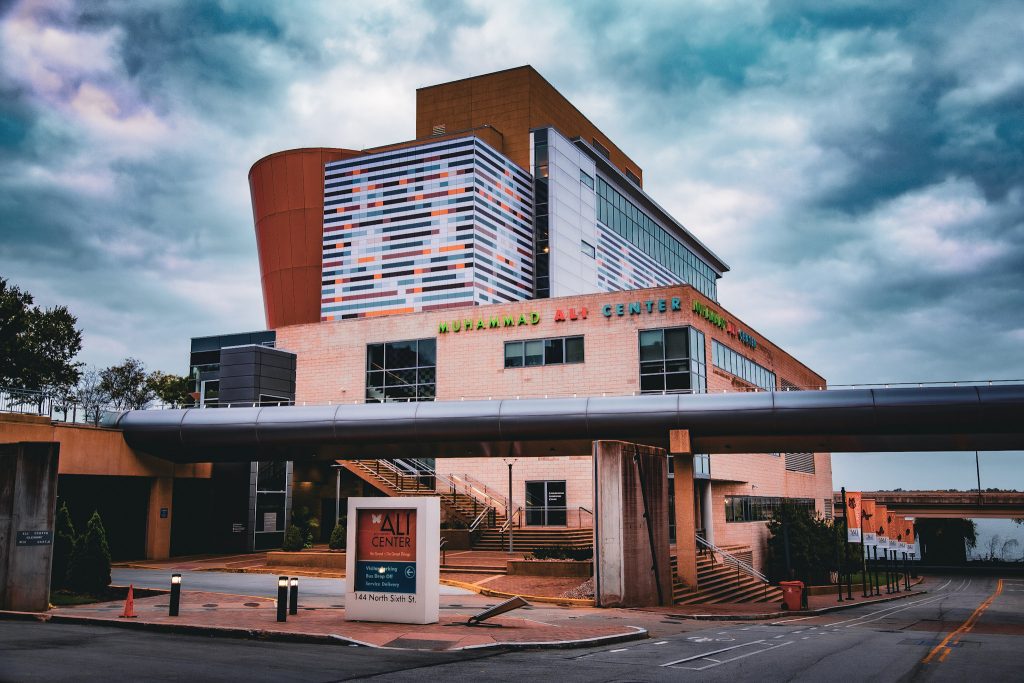
• Churchill Downs tours, the home of the Kentucky Derby, and a genuinely impressive property even when the horses aren’t running
• Louisville Slugger Museum, watch a bat being crafted next to the world’s largest baseball bat, a 120-foot steel replica outside the building
• Louisville Mega Cavern , underground zip-lining beneath the city, which is exactly as interesting as it sounds
• Farm-to-table culinary classes with chefs whose restaurants have been James Beard-nominated
• Horse farm tours , meet retired Kentucky Derby winners up close on a working bluegrass farm
Step 7: Handle Logistics Like a Professional
Transportation: Book group flights early and use that window to arrange ground transport for your bourbon trail itinerary. Organized tours mean nobody is driving, nobody is the reluctant designated driver, and everyone gets to participate fully.
Dietary Requirements: Survey your team months in advance—not weeks. Louisville’s restaurant scene is flexible and accommodating, but vendors need notice to do their best work.
Technology: Confirm the WiFi capacity based on the actual number of users before you arrive. Test your AV setup. Have portable chargers available. These details are boring until they’re not.
The Super Stays Difference: Super Stays’ Dedicated Experience Curators handle vendor coordination, dietary logistics, transportation scheduling, and ground-level planning—so whoever is nominally “in charge” of the retreat can focus on facilitating rather than firefighting.
Common Mistakes That Quietly Sink Corporate Retreats
- Booking a venue before clearly defining the purpose of the event.
- Scheduling every hour without allowing time for meaningful conversations.
- Selecting activities that the team is unlikely to enjoy.
- Choosing a location that is hard for half of the group to reach.
- Taking too long to collect dietary preferences.
- Assuming that leadership can both run and fully participate in sessions.
- Concluding the event without any follow-up on decisions once everyone returns home.
Frequently Asked Questions About Corporate Retreats
How much does a corporate retreat cost per person?
Expect $1,000–$3,000 per person for multi-day corporate retreats. That range swings based on how far your team is traveling, the type of accommodation, and how experiential your activities are. Louisville works in your favor here—lower baseline costs on accommodation and dining compared to coastal destinations mean more budget available for the bourbon trail tour or private chef dinner that makes the trip memorable. Properties like The Swepson Guesthouse also consolidate meeting and sleeping costs into one line item rather than two.
How far in advance should I plan a corporate retreat?
Start planning 6–12 months for most corporate retreats. That timeline lets you hold preferred dates before they’re gone, negotiate better rates with vendors, and give your team enough personal runway to clear their schedules. For anything around Kentucky Derby weekend—the first Saturday of May—start at 12+ months out. Louisville fills up fast in the spring.
What makes Louisville a good location for corporate retreats?
Louisville works well as a corporate retreat location for several intersecting reasons: direct access from 50+ cities, easy driving distance for teams across the Midwest, a food scene with genuine national recognition, and the Kentucky Bourbon Trail—a team-building backdrop that no other American city can replicate. The cost-to-experience ratio consistently punches above what coastal cities deliver. You don’t need to compromise on quality; you can spend less to get there.
What are the best corporate retreat activities in Louisville?
The corporate retreat activities that stand out in Louisville are the ones tied to the bourbon world: private Kentucky Bourbon Trail tours at distilleries like Buffalo Trace, Woodford Reserve, and Angel’s Envy; barrel selection experiences where teams commission a custom company bourbon; blending workshops; and mixology classes with local bartenders. Beyond bourbon, Churchill Downs tours, the Louisville Slugger Museum, the Mega Cavern, culinary classes, and horse farm visits, the activity calendar holds together without feeling like a theme park itinerary.
How do I measure the success of a corporate retreat?
Track outcomes against the objectives you set before you left. For strategic planning retreats: how many decisions were formalized, and what did implementation look like at 30 and 90 days? For team building, are people collaborating across departments differently? For problem-solving: was the thing actually solved, and how much time did that save? Send a short survey within 48 hours of the retreat ending, distribute a written summary of commitments with named owners, and schedule check-ins to review momentum. A corporate retreat that produces a nice memory but no changed behavior is a well-organized vacation—which is fine, but not what you paid for.
Start Planning Your Louisville Corporate Retreat Today
Planning a successful corporate retreat comes down to three things done well: knowing what you’re trying to accomplish, picking a location that gives the work and the people room to breathe, and executing logistics with enough precision that none of it becomes the story. Louisville checks those boxes in a way that most retreat destinations don’t.
Don’t let logistics become your full-time job between now and the retreat. Super Stays’ Dedicated Experience Curators handle everything from exclusive distillery access to transportation scheduling to dietary coordination. You describe what your team needs; they build the itinerary and execute it. You show up focused on your people, not your vendor emails.
“Super Stays was a joy to work with. They helped assemble an excellent bourbon-tasting itinerary, including transportation and our choice of distilleries. The logistics were 100% in place when we got there, and the whole day went super smoothly.”, Andrea, Corporate Birthday Celebration.
Schedule Your Free Planning Call:
📞 Phone: (502) 208-8915
📥 Free 3-Day Louisville Guide:
✉️ Email: frontdesk@superstaysstr.com
Limited 2026 availability. Contact us today to secure your preferred dates.
Bring Your Team Together In Style
Create Unforgettable Team Bonding In Louisville’s Best Properties